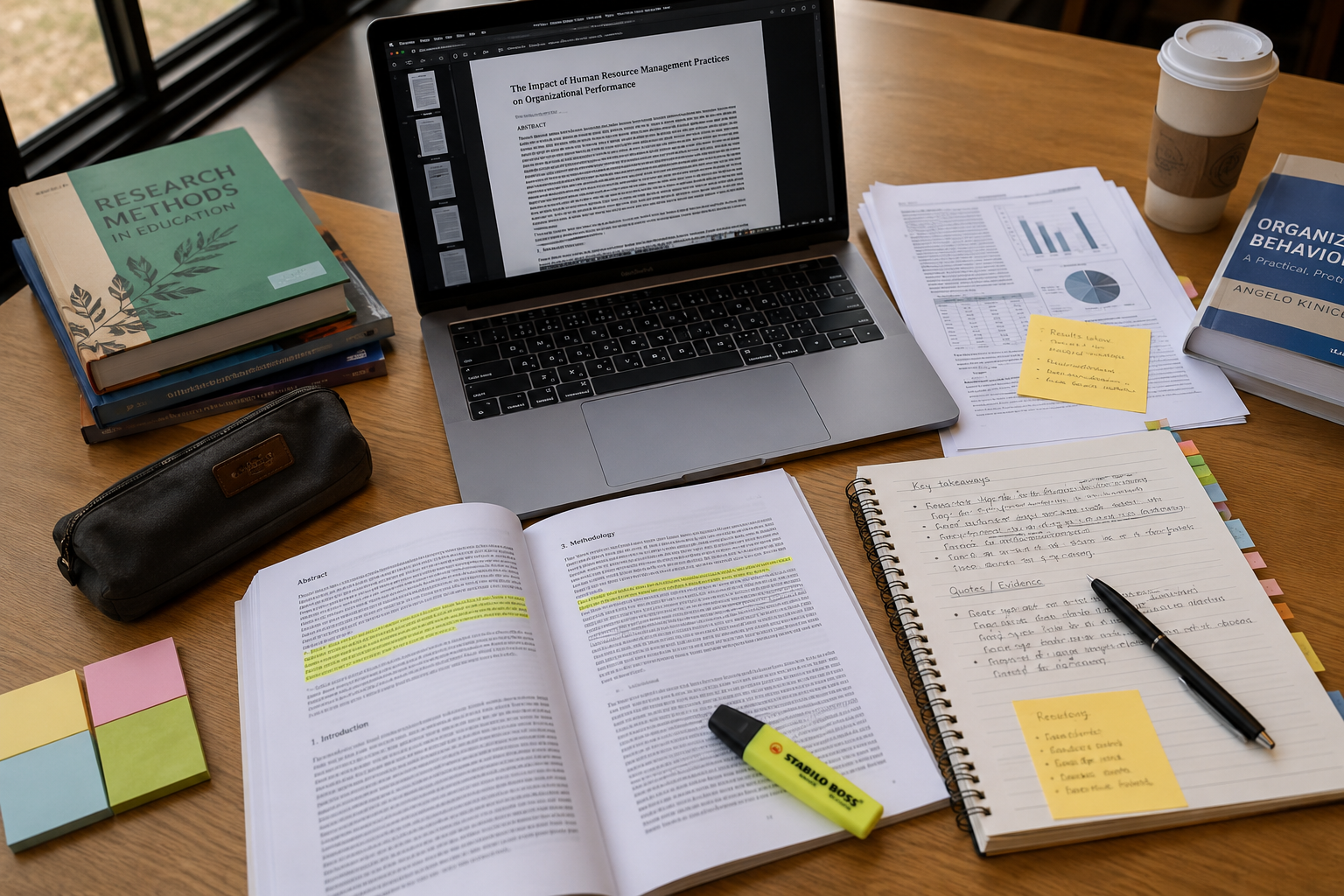
Reading academic journals properly matters a lot if you study in another country. Classes overseas usually expect people to go through research reports, journal pieces, or scholarly work quite often. When English isn’t your main tongue, such texts might seem tough, slow going early on.
Here’s a helpful thought: tackling each academic paper front to back isn’t required. Spotting the right sections makes all the difference. Skip freely when something doesn’t matter to your goal. Pull out only what fits your purpose instead. Knowing where to look changes everything.
Begin at the Core
Starting at the beginning isn’t always best. Try looking at the summary first instead.
A short summary wraps up the whole project in just a few lines. Why the study was done shows up early, along with how it unfolded. Results that matter appear clearly, followed by what they seem to mean. Once finished, readers can tell if the piece fits their needs. What counts comes through without extra detail.
Start somewhere else if the summary misses your subject. Skip ahead rather than sink hours into the whole article when it’s off track.
Start with Introduction then move to Conclusion
Once the abstract is done, move to how the intro sets things up. The closing part matters just as much, shaping what stays after reading an academic journal.
A fresh look at the issue kicks things off right away. Background details slip in quietly, just enough to make sense of what follows. Why this topic counts comes through without fanfare. Understanding grows piece by piece, guided by context that fits.
What the scientists discovered is wrapped up here, showing their key takeaways. Starting with this part gives a clear picture of the point they’re making, long before diving into specifics.
Most of what you’ll require comes from just these parts when tackling numerous tasks.
Focus On Outcomes Instead Of Details
Most overseas learners get stuck reading each line in the methods part. When your teacher does not ask for a review of how the study was set up, diving into every number or step isn’t required.
Start with the results section instead. Check out graphs, tables, and key summaries first. Main discoveries matter most here. Think about what stood out in their data. Connect each finding back to your own subject naturally.
By using this method, the main ideas come through fast, yet nothing key gets lost. What happens is understanding speeds up without missing critical details.
Write Notes Using Your Own Language
Most times, copying lines out of a notebook doesn’t stick. Try putting ideas into your own phrases instead.
Later on, jot down the core ideas once every part ends. Capture the central claim, notable results, plus anything backed by proof worth holding onto.
When you write summaries, your mind digs into the material instead of skimming past it. Because of this, putting together an essay feels less like a puzzle since your thoughts are already lined up.
Identify Important Sections of a Research Paper
Reading academic journals speeds up when you spot the pattern. Nearly every scholarly journal sticks to it.
Notice how the research question shapes what comes next. What the study aims to do usually follows from that starting point. A look at how they carried out the work reveals choices made along the way. Results show what actually turned up when tested. Every project has boundaries – those matter too. Suggestions at the end point toward what might come after. Teachers tend to focus on these parts when guiding discussions.
Looking at several articles about one subject? Check how each handles similar points, spotting where they line up or differ. Notice repetition. Watch for shifts in emphasis. See which details get attention – then skipped. Follow contradictions like trails. One might claim certainty while another hesitates. Let contrasts guide you toward deeper understanding. Repetition matters less than divergence. Focus there.
Choose Scholarly Words Carefully
Most international learners pause each time a strange term pops up. As a result, progress takes much longer than needed.
Most times, getting what a whole section means matters more than decoding each hard word. When one term keeps showing up while you’re learning something new, write it down instead of stopping right then. Later on, take time to find out exactly what that word stands for. Only after finishing the main idea should you circle back to clarify those key terms.
Little by little, the words scholars use every day in your subject start sticking without effort. Sentences grow sharper. Familiar terms appear more often. With each page turned, understanding deepens on its own.
Keep Articles Ready for Later
Later on, when assignments get tougher, those old readings might matter again. Start tracking where your information comes from right away – skip the chaos down the road.
Start by tucking articles into folders marked with simple names – add notes beside every study. Jot down who wrote it, when it came out, what they found, along with why it matters for your work. Sometimes details slip; keeping them close helps spot links later.
When work piles up – papers, tasks, long research pieces – this simple routine cuts through the clutter fast. Hours vanish into chaos without it. Suddenly, everything has a place.
Conclusion
Start by skimming the abstract – it usually holds the core idea. Jumping straight into dense paragraphs might slow you down, so try scanning headings first. The introduction often shows where the argument begins, while the conclusion reveals its end point. Rewriting key points in your own way helps ideas stick better. Keeping track of each source saves time later, especially when revisiting material weeks after reading. What matters most isn’t speed alone but knowing what to grab from each page.
Reading academic journals slowly makes things click. When approached well, scholarly papers feel less like a wall, now they fit into your path through higher education.
Contact Us
Contact us for a free consultation for student or visitor visas. Our immigration experts are ready to assist you.