Introduction
The pace of international migration is becoming even quicker with the response of different states to the challenges created by economics, labor market issues, innovations, and demographic shifts. Whether it is e-visas or new programs for highly-skilled workers, changes in immigration policy 2025/2026 will affect the way people move around the world to get education, find jobs, establish businesses, and settle in other countries.
Even though each country has its own legislation in the sphere of immigration, there are numerous trends that are being applied by many governments to attract the most promising individuals, ensure secure borders, and make the immigration process more efficient. For international students, professionals, investors, and families, it is crucial to be aware of current changes.
Why Immigration Policies are Evolving
Migration policies around the globe are being modernized to meet the new demands created by economic and social challenges. Among these demands is the rising requirement for professional workers in various sectors like healthcare, IT, engineering, construction, and renewable energy production. Many developed nations experience shrinking workforces due to an aging population and low birth rates.
Security issues play a significant role in these changes as well. While national governments spend money on enhancing ID checks, securing borders, and improving the visa process, they try to make the entire process quicker and easier for legitimate immigrants. Humanitarian considerations are not forgotten in many regions as well.
Significant Immigration Policy Changes 2025/2026
The first noticeable immigration policy change in 2025/2026 involves the increasing development of skilled migration programs. Countries introduce new occupation shortage lists, streamline application processes for skilled individuals, and create specialized programs aimed at attracting workers in industries that suffer from a lack of workforce.
International student mobility is another important topic for discussion. In recent years, there has been an increase in the recognition of the benefits of attracting international students via education in terms of the economy and social life of countries. Thus, it becomes relevant to develop student visa systems, ensure educational integrity, and post-study work opportunities in order to adapt education to the needs of labor markets.
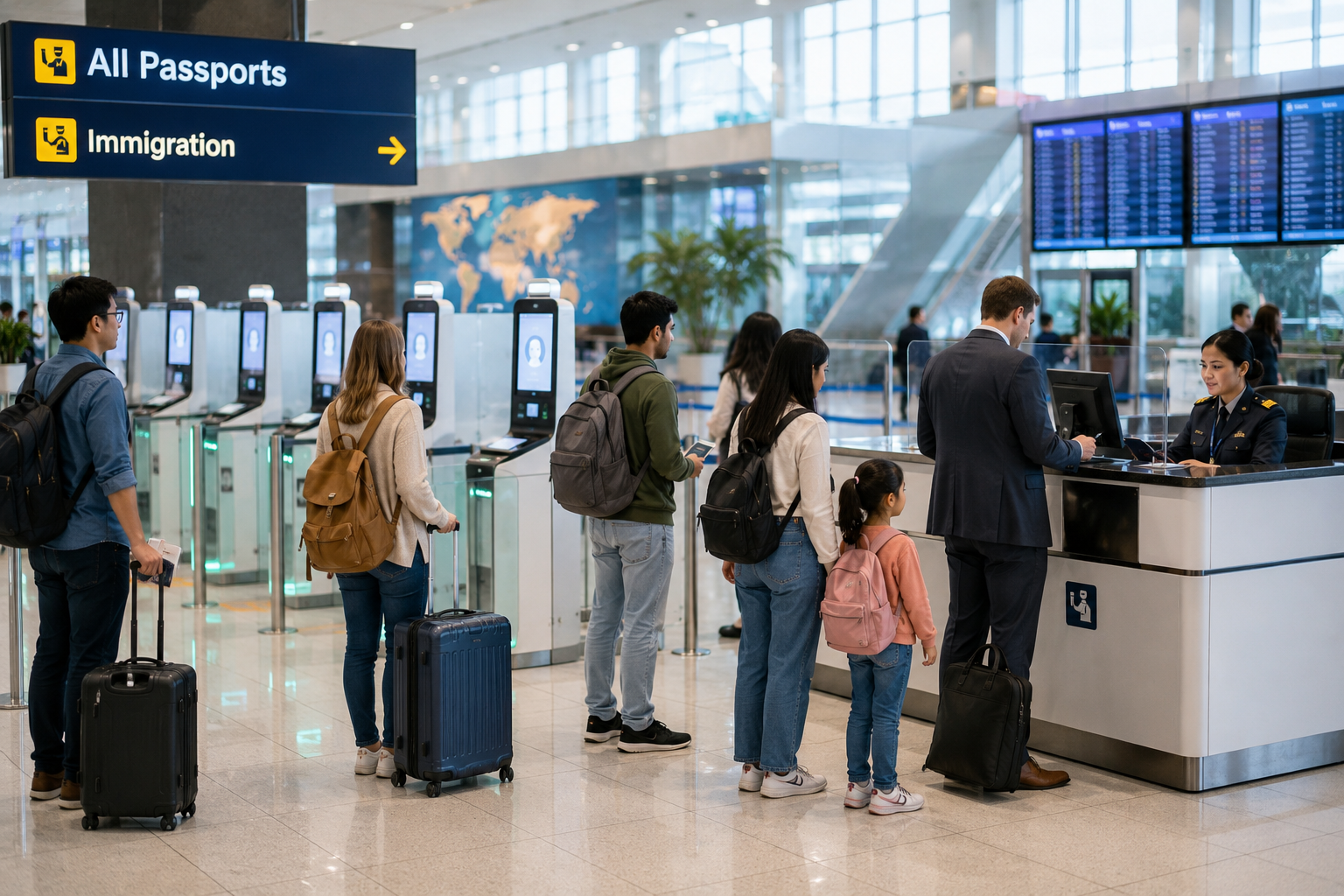
Another major trend in immigration policies is connected with digital transformation. The online application process, electronic submission of documents, biometric identification, and digital immigration portals have become widely spread as a replacement for traditional paper procedures. These innovations increase efficiency, eliminate administrative bottlenecks, and allow tracking the progress of one’s application.
Finally, there is a trend toward the development of digital nomad visas and remote work visas due to the growing popularity of remote work.
Regional Immigration Trends
Though immigration trends differ across various regions, a few trends are noticeable. In North America, there is an ongoing trend of improving the immigration process for highly skilled workers, temporary workers, and international students to fill workforce gaps while at the same time maintaining border security.
In Europe, many nations have been trying to balance labor migration with improved border management through digital residence programs, improved processing technologies, and the recruitment of highly skilled individuals.
The Asia-Pacific region is a strong player in recruiting international students, technology experts, researchers, and investors. Some governments in the Asia-Pacific are developing innovative immigration schemes for sustained growth.
Middle Eastern nations have also begun to diversify their economies through the introduction of long-term residency and specialized visas for investors and highly skilled individuals.
How Technology is Shaping Immigration
One of the emerging factors shaping the contemporary migration processes is technology. Today, artificial intelligence is increasingly being used to automate procedures and help with document identification in order to facilitate efficient processing. At the same time, the final decisions remain in the competence of immigration officers.
Biometric technology, such as facial recognition and fingerprint authentication, helps to control identities and ensure border security. Another way in which technology is changing immigration processes is through the use of electronic portals, which help migrants to upload their documents, check for updates, book appointments, and contact officials.
Such technology increases transparency and convenience for migrants while providing an effective tool for government agencies.
What Do These Changes Imply for International Students and Skilled Professionals?
The new immigration policy changes in 2025/2026 offer numerous opportunities as well as additional obligations for the candidates. There are numerous benefits for international students because they have an opportunity to obtain an excellent education, which is sometimes followed by work experience after graduation in many countries. However, in order to get a visa, the applicant should meet some strict criteria regarding finances, academic progress, health insurance, and language.
Opportunities are still high for those who are skilled and experienced because there is a shortage of professionals in various spheres. However, in order to work in such spheres as legal professions, it is necessary to have certain licenses or qualifications.
Challenges That Applicants Need To Be Prepared For
Even as immigration is becoming more advanced, the process of immigrating is not easy. There will be long periods of processing time that depend on various factors like the kind of visas being applied for, volume of applications, and security clearance, among others. Governments change immigration policies based on changing economic and political situations, and therefore, applicants need to be aware of any changes made.
There will also be challenges when it comes to documentation, as applicants might require their passports, academic qualifications, work experience, finances, police clearances, and medical tests, among others.
How to Be Ready for Changes in Immigration Policies
Planning that will result in successful immigration involves proper information gathering. The applicants should follow official immigration websites regularly rather than depending on social networks or informal websites for the most recent news about policies, eligibility, and application procedures.
Maintaining the document organization, having valid passports, working on language proficiency, gaining experience in related work, and having financial considerations all might increase the chances of success of the immigration process. Future migrants who plan their permanent migration should learn more about employment opportunities, the cost of living, healthcare services, and licenses in the chosen country.
In case of difficult immigration policies, consulting a licensed immigration professional can be helpful.
Immigration Myths That Persist
Misunderstandings have been perpetuated about immigration issues. Some of the myths are that using online applications guarantees approval. Though online application processes speed up the process, an application has to meet all requirements and be evaluated properly.
Another myth is that all student visas allow the holder to become a permanent resident. This is not the case because there are many options for post-study immigration, and they vary greatly from country to country and can depend on several factors.
Finally, another myth is that being in an occupation shortage means guaranteed immigration success. It should be understood that the individual will have to meet all of the other requirements of the immigration process.
Conclusion
The immigration policy reforms for 2025/2026 represent the global efforts to achieve a balance between economic development, labor market needs, technological advancements, border security, and global mobility. It is the direction towards which governments all around the world are heading. This direction includes the use of digital immigration services, the enhancement of skilled immigration programs, updating the student visa process, and the implementation of more advanced processing techniques. On the other hand, higher documentation and eligibility standards are expected from applicants.
If you wish to study, work, or live abroad in the future, keeping yourself informed is your best tool. It is always wise to follow any news concerning the immigration process that comes from the relevant governments, prepare your documents properly, upgrade your qualifications as an applicant, and stay flexible.
Contact Us
Contact us for a free consultation for student or visitor visas. Our immigration experts are ready to assist you.