Universities grant students more independence; however, it also imposes certain responsibilities on students to choose their courses, to learn the necessary requirements for degree completion, to plan in order to graduate on time, and to decide upon majors and future career choices. At this point, an academic advisor may be a helpful source of information.
Nevertheless, having an academic advisor is not enough to receive all the benefits from the interaction. The establishment of a good advisor-student relationship requires certain preparation, communication, respect and active participation on behalf of both parties involved.
Building a good relationship with an academic advisor, therefore, can simplify the process of academic planning and decision-making.
Understand Your Academic Advisor’s Role
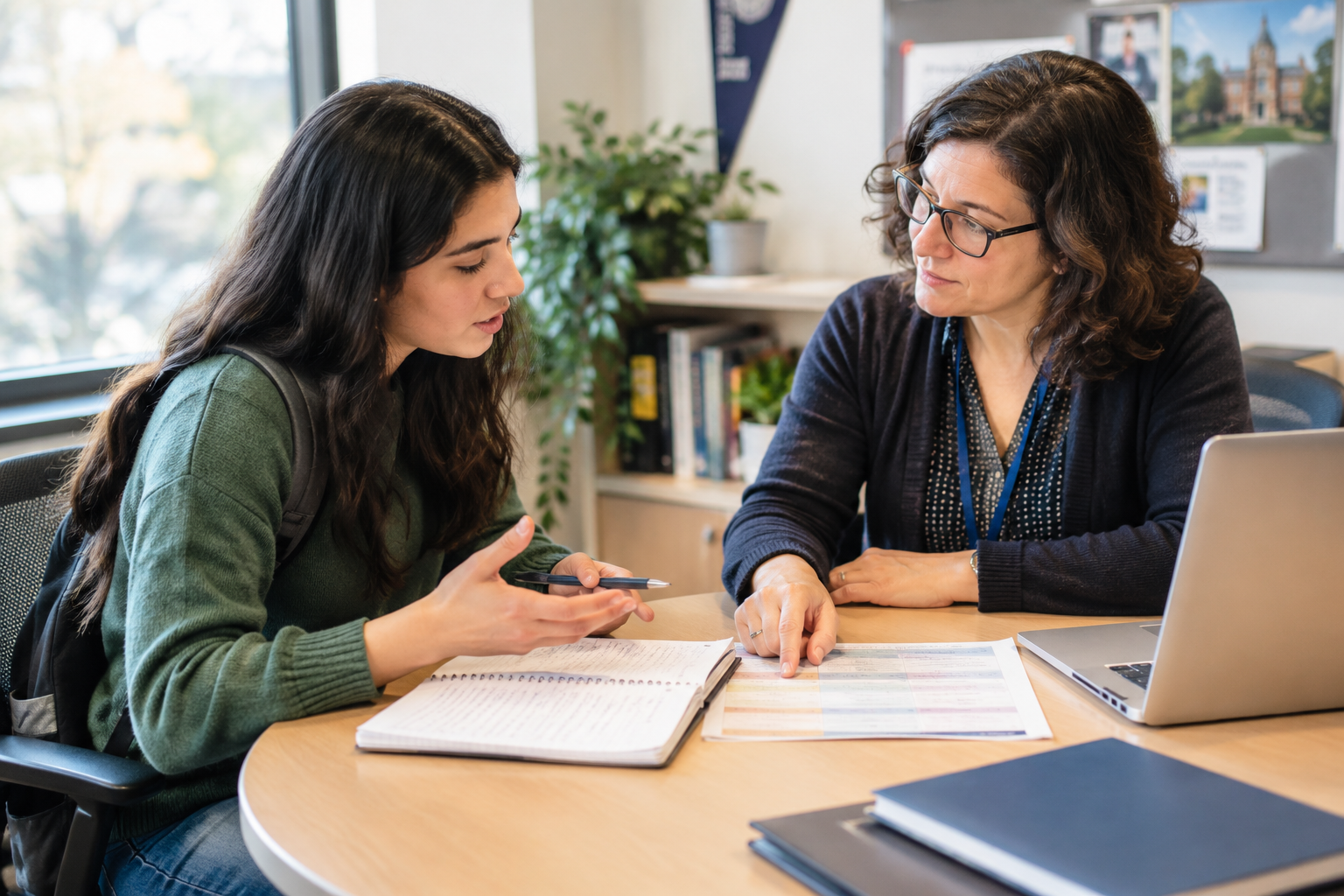
Before building relationship with your academic advisor, it is crucial to know what they are capable of doing. An academic advisor is someone who can assist you in understanding degree requirements, in planning your courses, in evaluating your options, and in complying with university policies. In some cases, depending upon the university and the function of the advisor, the advisor will be able to guide you in switching majors, studying abroad, internships, postgraduate studies, and other academic options.
Yet, in spite of being a valuable source of guidance, the advisor does not have to make all of your decisions. This helps create a positive advisor-student relationship.
1. Prepare for Each Advising Session
Being prepared is a great way of building a positive relationship with your academic advisor. Before you meet, look at your degree requirements, courses, progress, and deadlines. You should write down the questions that you would like to ask so that you won’t forget anything while talking to your advisor.
For example, you might be interested in finding out which courses you should take next term, whether you are fulfilling all the graduation requirements, and how changing your major would affect your academic plans.
This will allow you to make the most of your meeting.
2. State Your Goals
Your advisor can help you more effectively if they know what your goals are. Discuss your academic interests, career aspirations, and plans after graduation. If you are thinking about a minor, double major, studying abroad, taking an internship, or continuing your education in graduate school, let your advisor know.
There is no need for you to have everything figured out for yourself. You can inform your advisor that you are still considering your choices. It will give your advisor the necessary background information so that they can give you better suggestions.
3. Ask Meaningful and Insightful Questions
Quality advising sessions revolve around meaningful questions. Asking “What classes should I take next semester?” is not enough. Instead, try to give context by asking something like: “What classes should I be taking to ensure graduation while at the same time learning skills that would be helpful for my career interests?”
Some other questions worth asking might include:
- What classes should I be taking to ensure timely graduation?
- What electives are available for my major?
- What factors should I consider when switching majors?
- Which university services can help me achieve academic success?
- What classes should I be taking to prepare for graduate school?
- Which prerequisites should I complete?
Meaningful questions will result in meaningful conversations.
4. Be Open to Suggestions and Other Views
There may be times when your academic advisor gives a suggestion that deviates from what you had initially intended. Rather than brushing aside the suggestion, give some time to comprehend the reason for such a suggestion.
Academic advisors tend to possess knowledge about degree prerequisites, courses, policies of the university, and other things which students might not know.
However, while being open to suggestions does not imply that you will agree with everything; should you feel differently, politely state your point of view and ask if there are any other alternatives. An effective advisor-student relationship is one where there can be an honest conversation.
5. Be Responsible for Your Education Decisions
An effective advisor-student partnership does not mean giving up control over your education. You need to be responsible for knowing your degree requirements, monitoring your educational progress, fulfilling deadlines, and making your decisions.
Although an advisor might give you some recommendations, analyze the information by yourself and be aware of the possible consequences of your decision. For instance, if you are going to switch majors, do not base your decisions on one conversation with an advisor. Analyze the program requirements and see what courses you can include in your new major.
Being responsible for your education is a sign of maturity and a good advising process.
6. Stay in Touch Where Needed
There is no need to wait until an obligatory advising meeting to communicate with your advisor. You should get in touch if there are any changes in your academic goals or something important related to your education takes place. It could be thinking about switching your major, problems with courses, graduation, or future studies after college.
On the other hand, try not to contact your advisor too often, as he may have many students to advise, and he will appreciate your respect for his time. Constant relevant communication allows your advisor to understand your progress with academic plans better.
7. Respect Your Advisor’s Time
Professional communication will help to create a good relationship with your advisor. It means that you should arrive at appointments on time and reschedule them in case of unexpected events. You should ask questions clearly in your emails and give all necessary information to your advisor.
Do not send several emails if it is possible to ask one clear question. If you have a complicated situation, then an appointment would be more suitable than asking your advisor many questions by email.
8. Follow Up After Advising Sessions
An advising session shouldn’t be the end of the process. When the session is over, go through the suggestions made and list the actions you should take. If there were recommendations to talk to another department, research the course, or go over one of the requirements, do what is needed.
Sending a brief email to your advisor after an advising session can also be a good idea. You can thank them for their assistance and reiterate the actions you have to perform. It will show your advisor that you appreciate their help.
9. Seek Help Before Problems Arise
There are many students who do not want to approach their advisors because of poor grades, confusion, or other academic problems. However, procrastinating can make many problems much harder to solve.
If you are having trouble in class, you are falling behind in the course, thinking of leaving the program, or confused about your academic path, contact your advisor as soon as possible. Your advisor may be able to provide you with the information you need about your options or guide you to another office within the university.
Avoiding Common Mistakes
Even students who keep regular appointments with their academic advisors may ruin the relationship by engaging in ineffective communication and preparation.
The first of such mistakes involves contacting one’s advisor when problems occur. The other mistake consists of attending advisory meetings without having reviewed simple degree requirements and having thought about what needs to be discussed. It is also important not to expect your advisor to make all decisions related to your studies. The process of advising requires active involvement from the students.
Not giving explanations for disregarding pieces of advice can also become the source of unnecessary misunderstanding. In case you do not agree with the recommendation, explain why and think about alternative courses of action.
Last but not least, avoid leaving important information for the very end. Communication in advance will give both sides enough time to consider the available options.
How Building a Good Relationship with Your Academic Advisor Helps
The establishment of a good advisor relationship can help you in various aspects of your academic life in college. It is possible that you will gain a better insight into the demands of your major and be more comfortable while choosing courses. Your discussions may also help you to recognize any possible academic issues that may arise.
Additionally, your advisor may direct you towards opportunities that you might not have thought about, such as internships, foreign studies, research, support services, or graduate studies.
Most importantly, a constructive advisor relationship may help you to become a more educated and self-sufficient student, where you stop focusing merely on course completion and start making connections between your academic decisions and goals.
Conclusion
Ultimately, learning how to create a relationship with your academic advisor involves understanding that academic advising is a partnership. Be prepared for meetings, be clear about your goals, ask questions, be open-minded to various viewpoints, and take responsibility for your decisions. In addition, be respectful of your advisor’s time and fulfill the commitments you made.
There is no necessity to have all your plans clear when going to the meeting with your advisor. The situation will evolve with time; however, your advisor will help you deal with it, but you should speak openly and be actively involved in the discussion.
If the basis of the relationship between you and your advisor is preparedness, trust, and communication, then academic advising will become not only a mandatory procedure but also a great source of assistance.
Contact Us
Contact us for a free consultation for student or visitor visas. Our immigration experts are ready to assist you.