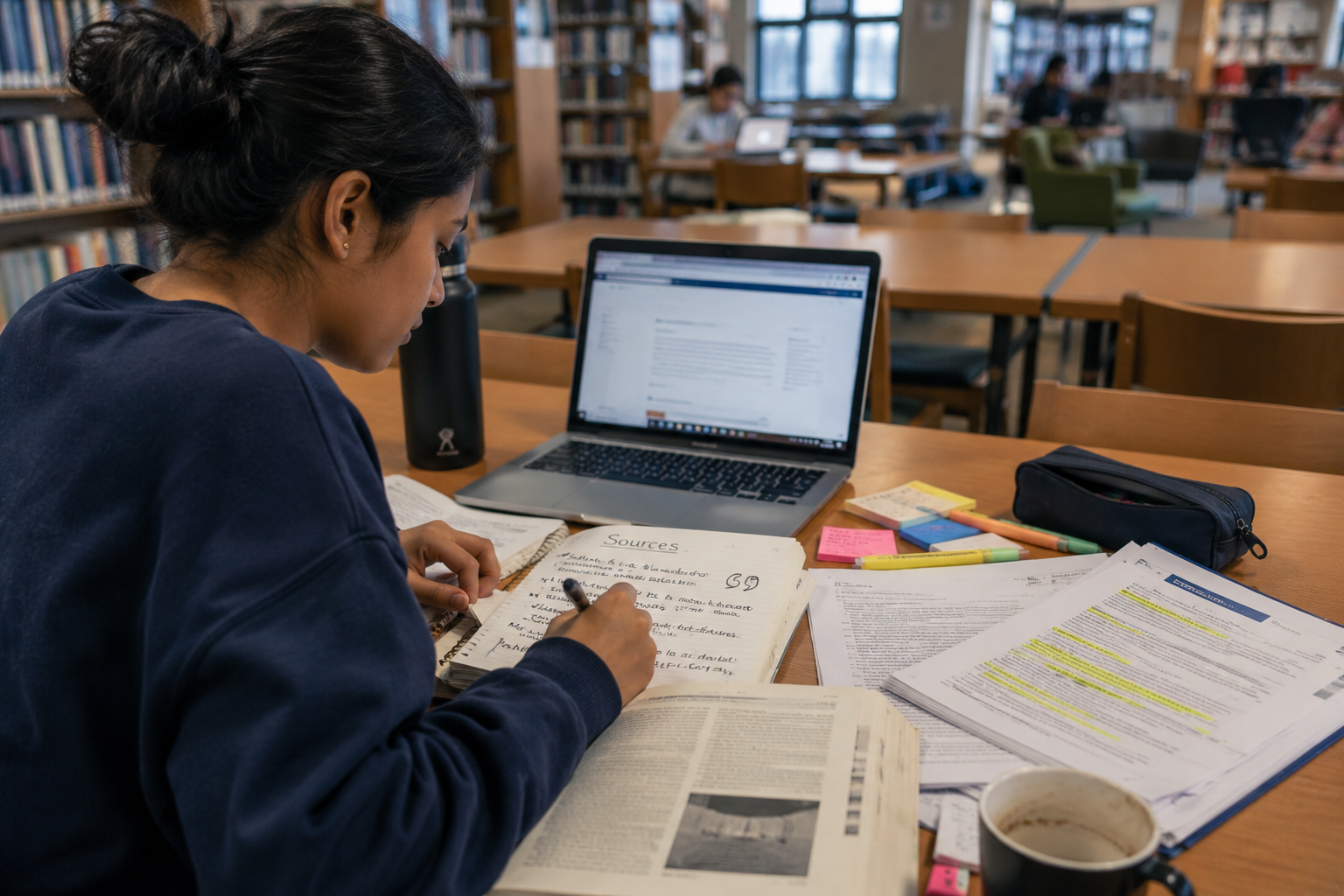
A reworded line, nearly identical to its source, counts as copying even if unintended. Schools mark these errors just as harshly as deliberate theft of words. Most times, working on papers in another language seems tough right away. Mistakes creep in without warning, mostly because of confusion around references. However, it is possible to avoid accidental plagiarism by developing a few minor habits. This article will guide you through on how you can avoid plagiarism and help you develop a decent understanding of citations.
What accidental plagiarism means for international students
It slips in unnoticed – borrowing phrases or thoughts without citation, despite no intent to deceive. International learners face this most, adjusting to how essays work in English classrooms.
Later on, thoughts might blur between what you thought and what you read. This mix-up often shows up after reviewing several articles while jotting down points. When wording stays too near the source, confusion grows – especially with tricky passages hard to say another way. Even without meaning to copy, schools label this form of borrowing as dishonest. Intent does not change how strict they are about rules.
Right from the start, knowing this shapes how carefully you write, steering clear of harsh consequences in schoolwork.
Why citations matter in academic writing
Citations point back to the source of your facts. Because someone else wrote it first, giving them recognition matters. When you write, using these references proves your ideas come from study, not just what you think. International learners find this especially useful since strong sourcing makes their arguments more trusted.
Citations done right make your writing feel solid. A professor notices when real research shows up in what you hand in. Ideas stay clear – yours here, others there – when credit goes where it belongs.
Whatever school you attend, each picks its own way to cite sources – yet every one aims for truthfulness. Clear expression matters here. Staying true to academic rules shows respect for knowledge.
Common ways students accidentally commit plagiarism
Most people think swapping a couple of words saves them. It does not. The original flow sticks, making it theft even if phrases look different. Ideas borrowed this way keep their old bones.
It’s easy to miss adding a reference after pulling details from outside material. That slip usually shows up when someone gathers notes from several readings then blends them into one paper.
Even when rewording happens, confusion can linger if the idea isn’t truly grasped. Missteps creep in – either through awkward mimicry or quiet errors – whenever thought doesn’t lead the way.
Though tougher for some global learners, handling scholarly wording matters since schools look for honest attempts at clean expression alongside correct citations.
How to use citations correctly in your assignments
Citations done right draw a clean line between your thoughts and those borrowed from others. Every time someone else’s fact, number, concept, or claim appears in your writing, that moment needs a note inside the text plus complete details later on.
Most times, written work includes references split into pieces. Right beside borrowed thoughts sits a brief marker pointing to its origin. Found toward the paper’s closing pages waits a detailed entry revealing where each piece came from.
Because the thought isn’t yours, credit stays necessary when rephrasing. Rewritten in your voice? The origin still matters.
Right there in the text, point out when someone else said it word for word – no guessing allowed. Right after those lines, drop the source so readers see where it came from. That kind of move keeps things straight up with your audience.
How to avoid plagiarism every time you write
Most people find it helps to jot things down as they go through a text. Each thought should come with its origin marked beside it, that way there is no guessing afterward. When the time comes to put work together, having those details already noted cuts confusion sharply.
Start by making sure you get what something means before trying to rephrase it. When the concept feels unclear, copying might happen without noticing. Go through material at a slower pace so details stick better. Put every part into everyday words as you go along – it makes things clearer. Understanding comes easier that way.
From time to time, take a look at what your university says about writing. Since rules change, staying up to date makes sense. Examples of proper citations are often shared by schools, so using them helps prevent errors. Checking these resources now and then keeps things accurate.
Start early so you have space to think while writing. When deadlines loom, words get squeezed out fast – this raises chances of copying without meaning to.
Conclusion
Starting strong at university means knowing how work gets credited. Mistakes happen, yet copying others’ ideas without credit draws strict responses. International learners especially need clear guidance here. Slipups might be unplanned, still they carry weight in classrooms everywhere. Getting citations right protects your standing each term.
Most people do not mean to copy by mistake, yet it happens more than they think. When sources get mentioned the right way, mistakes start to fade. Writing each day shapes better patterns over time. Crediting others’ ideas works like a tool, one that grows stronger with use. This habit does not vanish after school ends – it sticks around, useful long after grades are gone.
Contact Us
Contact us for a free consultation for student or visitor visas. Our immigration experts are ready to assist you.