When planning time abroad, students and travelers must choose between international SIM cards and local mobile plans. Staying connected helps navigate new places, stay in touch with family, and handle everyday tasks like using maps. Picking the right option keeps costs down and reduces stress.
International SIM cards and local mobile plans both come with pros and cons. Knowing how they work allows you to pick what fits your budget and stay duration best.
What Are International SIM Cards?
They work in lots of countries, so you don’t have to buy a new SIM card each time you cross a border. This means you can keep using the same number everywhere you go.
These are super handy if you’re constantly traveling. Providers usually give you services like calls, texts, and data in several areas at once. It’s great for those on study programs or just out sightseeing.
The best part is how convenient it is. Activation happens before you even leave, so you’re good as soon as you land. Plus, you won’t waste time hunting down stores in foreign places.
What About eSIMs?
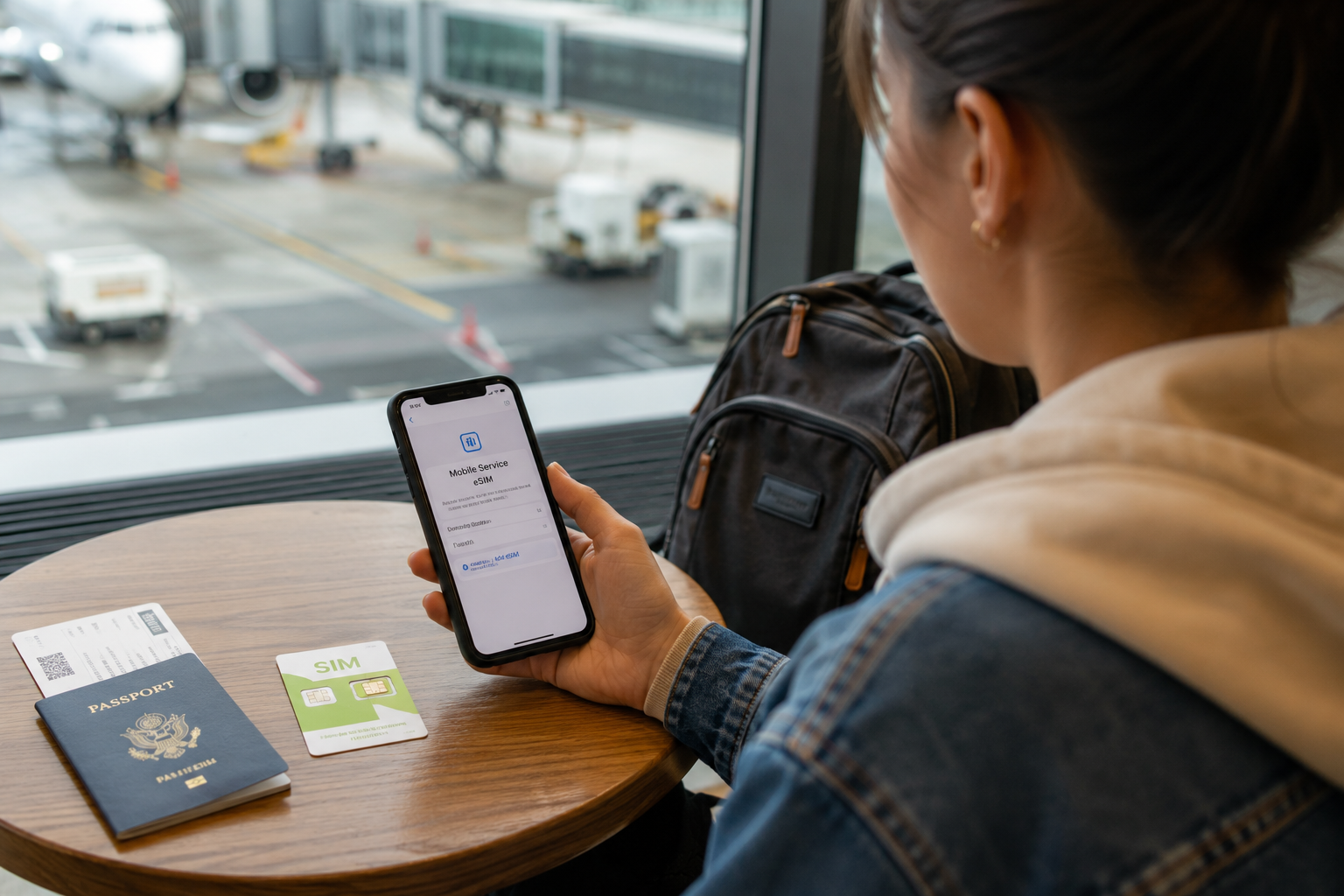
eSIMs are digital SIM cards built into many modern smartphones, meaning there’s no need to insert a physical SIM card. Instead, users download a mobile plan directly to their device.
Many students and travelers use eSIMs because they’re convenient and quick to activate before arriving in a new country. They also make it easier to switch between international and local plans without changing physical cards.
The biggest advantages of eSIMs are flexibility, fast setup, and the ability to keep your main number active while using a travel data plan. However, not all phones support eSIM technology, and some providers or countries may offer limited options.
The Advantages of International SIM Cards
People often pick international SIM cards because of how easy they make things. You sort everything out before leaving, which means no worrying about setting up phone service in a new place.
These cards are especially useful if you’re traveling between several countries in a short period. Rather than switching numbers and plans each time, you keep the same service through your trip, making it simpler to stay in touch with everyone back home and abroad.
Plus, many providers give flexible pay-as-you-go choices, which works well for short stays when getting a local plan isn’t worth it.
The Limitations of International SIM Cards
International SIM cards sure are handy, but let’s face it, they come with a hefty price tag. Often, they’re pricier than local mobile plans and sometimes lack data. Plus, the speed and coverage you get might differ from one country to another, which can be frustrating.
If you’re a student thinking about staying abroad for a while, you might find that using an international SIM card gets pricey over time. That’s why many prefer to go with a local plan instead.
What Are Local Mobile Plans?
When you get a local mobile plan, you’re choosing a solution that’s meant for the locals. So yeah, once you arrive in a new country, you just grab a local SIM card and pick your preferred plan. These local plans usually give you heaps more data for less money compared to what international SIMs do. Also, your chances of getting great network speeds improve.
The best part is that international students like you don’t have much trouble setting up these local mobile plans. Just show some ID and fill out a few forms, and you’re good to go.
The Benefits of Local Mobile Plans
Local mobile plans are way better because they’re super affordable. Usually, you get more data and unlimited calling, and local providers beat the prices that big international SIM cards can offer.
If you’re using your phone a lot—whether it’s for class, calling friends, or streaming videos—having a local plan saves cash. Plus, the network is often stronger and faster too.
Another perk? Having a local number makes life easier when job hunting, setting up bank accounts, looking for a place to live, or dealing with local groups.
Popular International SIM Providers and Local Mobile Networks
There are many service providers that provide SIMs to international tourists. Some of the well-known brands that cater to international users are Airalo, Holafly, and Nomad. These provide prepaid services from different countries and are useful if the duration of travel is shorter and the individual needs SIM cards from more than one country.
In case you are planning on staying longer in one specific country, then it might be better if you get your SIM card from the local mobile phone operator as it will be cheaper compared to others. Some of the common operators in Australia are Telstra, Optus, and Vodafone. In Canada, there are Bell, Rogers, or Telus.
The Drawbacks of Local Mobile Plans
The biggest downside is setting up service once you arrive in the country. It can be a hassle, especially when the registration requirements are unfamiliar. Plus, some providers might ask for extra ID or your local address. Also, contract-based plans can lock you into terms that aren’t great for short stays. Finally, if you’re often traveling between different nations, a local plan won’t help much outside its country. You’ll face additional roaming fees, which can get pricey.
Which Option Is Best for Students?
Picking what’s best really depends on how long you’ll be away. If you’re doing a short course, exchange program, or hopping around different countries, an international SIM card might suit you better because of its flexibility.
For those planning a longer time abroad – a few months or years, students usually end up saving more with a local mobile plan. These plans tend to have cheaper monthly costs, way more data, and stronger local network connections – things that stack up when you look at the big picture.
Some students actually start with an international SIM and switch to a local plan once they settle in. Maybe they use it for the initial touristy days, then go local for everyday stuff.
| Feature | International SIM | Local Mobile Plan |
|---|---|---|
| Setup Before Travel | ✓ | ✗ |
| Cost | Higher | Lower |
| Data Allowance | Moderate | High |
| Local Number | Usually No | Yes |
| Multi-Country Use | Excellent | Limited |
| Best For | Short Trips | Long-Term Stays |
Conclusion
Wrapping it up, both choices have their perks. An international SIM gives you easy connection, great for brief trips or moving around a lot. On the flip side, a local plan offers bigger savings, heaps more data, and stronger networks – the long-term student favorite.
So before you decide, really weigh up how long you’ll be there, how much data you need, and if you’re hitting up multiple countries. Picking the right one will keep those mobile bills low and your connections strong.
Contact Us
Contact us for a free consultation for student or visitor visas. Our immigration experts are ready to assist you.