Studying in Finland is definitely an interesting experience. For many international students, winter is probably the biggest challenge during their stay there. Indeed, if you are used to a warm climate, you may be surprised when you find out that winters in Finland are very harsh: there are freezing temperatures, heavy snowfalls, ice, and darkness. However, many international students successfully adapt to the conditions and even enjoy the season.
It is important to learn how to survive in winter conditions because they do not only include wearing warm clothes. To adapt to winter, you need to know something about the climate in Finland and choose appropriate clothing, as well as learn how to maintain healthy habits.
This guide on Finnish winter will help you survive and succeed.
Understanding Finland’s Winter Climate Before You Arrive
Prior to your departure, you must be well aware of the fact that the winters in Finland are not all the same.
In southern cities such as Helsinki and Turku, winters are relatively mild, with temperatures usually ranging from 0°C to -10°C. In central Finland, winters are usually colder, with temperatures usually dropping below -15°C. In northern parts, including Lapland, temperatures are known to fall below -25°C.
Winter usually starts from November and ends in March, though the snow might come earlier or later. Apart from the cold weather, short days will be a challenge for most people. In mid-winter, northern parts experience very short days, while some parts of the Arctic experience what is known as the Polar Night – several weeks without sunrise.
Freezing rain, snow, winds, and slippery pavements are also commonplace. The climate can change rapidly; therefore, one should always check the weather forecast. Luckily, the country’s infrastructure is adapted to winter, and that is why it is possible to maintain a normal rhythm of work and study during the winter months.
Build Your Winter Wardrobe the Smart Way
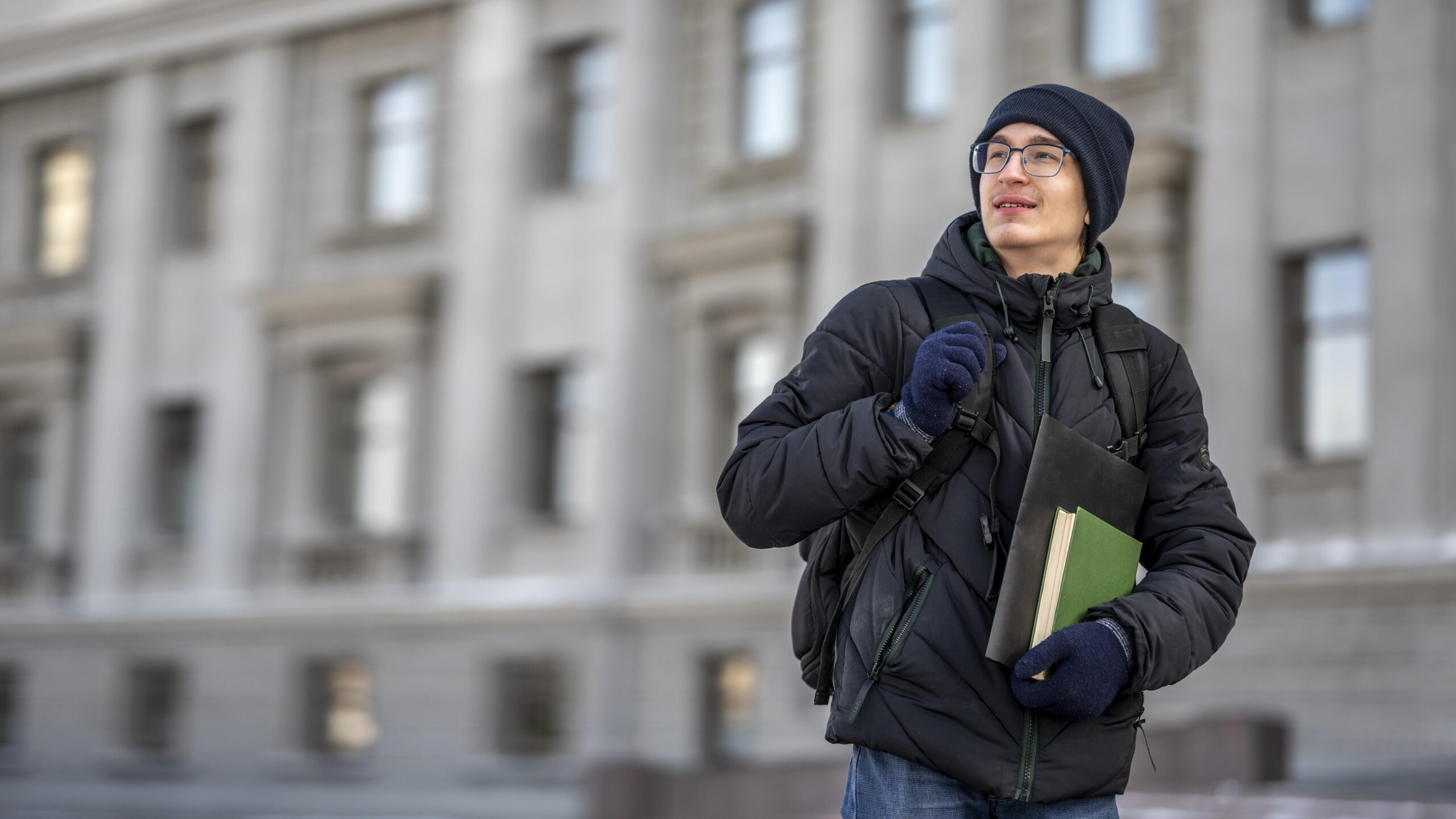
A great winter tip about Finland is to wear layered clothing as opposed to one thick jacket.
The first layer should be thermal clothing, which ensures that moisture is kept away from your skin. The second layer should be the insulation layer made of fleece or wool. Lastly, you should wear an outer windproof and water-repellent jacket.
Besides the above, your clothing should include insulated boots that have good traction, woolen socks, waterproof gloves or mittens, a warm hat that covers your ears, scarves or neck warmers, and thermal pants if you intend to stay out for extended periods or live in cooler places.
Quality comes first as opposed to purchasing bulky clothes. Properly designed winter clothing ensures that you remain warm but allows your body to breathe.
Most students ask if it is necessary to acquire winter clothes before coming. If you come from cold areas, it makes sense to carry proper winter clothes. Students from warm countries have a better chance of buying winter clothes in Finland, as there is proper availability of winter clothes in Finland. Additionally, budget-conscious students can find quality second-hand winter clothes.
How to Be Safe Outdoors in Finnish Winter Conditions
Being able to move safely outdoors is yet another crucial aspect of surviving the Finnish winter.
The slippery conditions may cause accidents, so take small steps and wear boots with good grip. In addition to this, some Finnish citizens put on non-slip grips that can be attached to the bottoms of the shoes, especially in very icy conditions.
When cycling in the winter months, make sure that your bike has winter tires and proper lights. Finnish cities have cycling paths that remain open even during the snowy season.
As a result of a lack of daylight, it is highly advisable to wear reflective items. You can put on reflective bands, a jacket, or a backpack for this purpose.
In very cold weather conditions, protect your skin by wearing gloves, scarves, and hats. Though it is unlikely to suffer from frostbite or hypothermia provided that people dress properly, spending time outdoors is not recommended.
Taking Care of Your Physical and Psychological Health
Seasons impact not only your choice of clothing but also can affect your mood, energy levels, and sleeping habits.
Consistent daily habits will help your body cope with changes in seasons. Try to establish a schedule for sleeping and waking up, which you would be able to keep during weekends as well.
Exercise is no less important than having a healthy diet. Walking, working out, swimming, winter sports, and any activity will positively affect your physical and psychological health, as exercise gives you energy and decreases stress levels during winter.
Having proper nutrition, enough water, and vitamins will strengthen your immune system. There are people who can get some benefits from vitamin D supplements in winter; however, consult a healthcare professional about that first.
Another very important thing is to stay in touch with other people. Joining student clubs, visiting university events, or being around your fellow students can help you avoid feeling isolated during winter.
Everyday Winter Life in Finland
One of the surprising things about winter for first-time visitors is that normal lifestyle goes on smoothly in spite of the season.
Transport runs well even under snowfall, and streets are plowed to ensure mobility in cities. Educational institutions, grocery stores, libraries, and companies are usually open in spite of the snow.
In addition, interiors are properly heated, which ensures comfort in homes, classes, and other public buildings. Because of high temperatures in interiors, one can take off the outer layers of clothing when getting inside.
For students traveling in winter, it is better to give themselves some extra time, especially after a night of snow. Normal lifestyle activities, such as grocery shopping and attending classes, continue unaffected.
Embracing Finnish Winter Activities
Instead of avoiding winter, you should try to enjoy everything it has to offer.
For example, ice-skating, cross-country skiing, and sledding are just some of the most popular activities that will help you enjoy the beauty of Finnish nature while getting enough exercise at the same time. Winter sport events are usually organized by universities and local communities for international students.
Visiting Finnish saunas is an absolute must when studying in Finland. Most accommodations and sports facilities have saunas where students can relax after winter outdoor activities.
If you are studying in northern Finland, you can also see the famous Northern Lights during cold winter evenings. You will have a chance to participate in Christmas markets, winter festivals, and even walks in forests and national parks covered with snow.
These activities will help you make new friends and learn more about your host country.
Budgeting for Winter Expenses
While winter may demand some extra attention, it does not necessarily mean high costs.
You are going to spend most of your money on winter clothes, as good winter boots and a jacket would serve you for a few years ahead. Students who live in apartments without heating should take into consideration higher bills that may come along.
Winter public transportation will stay inexpensive in comparison with biking in snowy weather. Many cities provide students with discounts for transportation tickets.
There are possibilities to save money by buying winter clothes during sale seasons or used clothes. Universities and student organizations also give the chance to rent winter sports equipment.
Common Mistakes International Students Make During Their First Finnish Winter
Visitors often do something wrong that could have been avoided, and that causes them unnecessary discomfort during winter.
Underestimating the weather and not having warm clothing is one such mistake. Some people prioritize fashionable clothing over practicality, leaving them inadequately protected from the cold.
Not paying attention to weather predictions also can cause trouble, since the climate changes fast. It’s another mistake – avoiding being outdoors for too long, since walking outside gives more energy.
Sometimes international students forget about the importance of wearing reflective accessories at night. Others postpone getting winter clothes till the weather gets really cold.
It’s much easier to get used to winter if you plan everything.
A Month-by-Month Winter Survival Plan
Preparation over time can make the transition easier.
October: Buy winter clothing, inspect your accommodation, and get ready for colder weather.
In November: Start adapting to shorter days and develop healthy habits.
December: Learn how to commute safely in winter and how to walk on ice.
January is the coldest month; therefore, it is necessary to keep active and follow healthy habits regarding nutrition and sleep.
February: Make the most out of the winter sports and get enjoyment from it rather than avoiding it.
March: The weather changes more often. Keep checking the forecast and be ready for melting snow and slushy roads.
Conclusion: Make the Finnish Winter One of Your Greatest Study Abroad Memories
The adaptation to the winter is not about tolerating the bad weather. The adaptation is about preparation, healthy habits, and the willingness to experience the things which happen only in Finland.
Having the appropriate attire, proper preparations and the right attitude will make the winter life in Finland much easier than you could have thought possible for an international student. The season is full of useful public services, beautiful snowy scenery and cultural activities which cannot be found anywhere else.
Following the tips presented in this Finnish Winter Guide will ensure that you are safe, learn something about Finnish culture, and make some amazing memories from your study abroad period.
Contact Us
Contact us for a free consultation for student or visitor visas. Our immigration experts are ready to assist you.