Medical practice is not limited to doctors and nurses only; there are other important people in every healthcare setting, those who help patients recover from injury or illness, adjust to disability, become independent, express themselves, and regain their ability to communicate, etc. These people represent many different allied health careers, which makes allied health a great way for students interested in healthcare to build their career without being a doctor or nurse.
Two of the most familiar allied health care professions are physiotherapy and occupational therapy, but they have nothing to do with one another; whereas physiotherapy is mainly about mobility, physical condition, rehabilitation, and relief of pain, occupational therapy is all about helping people engage in activities which are meaningful to them. Among allied health careers, there are speech and language therapy, radiography, medical laboratory science, dietetics, and more.
Knowing these differences will help students choose their future allied health degree program.
What Are Allied Health Professions?
Allied health professions include a wide range of professions in the field of health care that deal with evaluation, treatment, rehabilitation, prevention, and other aspects of health care. Members of allied health professions usually operate as part of multidisciplinary teams together with physicians, nurses, and other specialists. According to the World Health Organization, professions such as physiotherapy, occupational therapy, and speech and language therapy are essential components of the rehabilitation workforce.
This profession is diverse depending on the specific profession. There are those who work directly with patients, and there are those who work with diagnostic equipment, laboratories, nutrition, and devices.
For students, this diversity is one of the best things about entering the realm of allied health professionals. You can be involved in health care and still have a career in a profession of your choice.
Physiotherapy Careers: Focus on Movement and Physical Recovery
Physiotherapy is one of the most popular allied health careers for students interested in anatomy, physical movement, exercise, and physical therapy.
What Does a Physiotherapist Do?
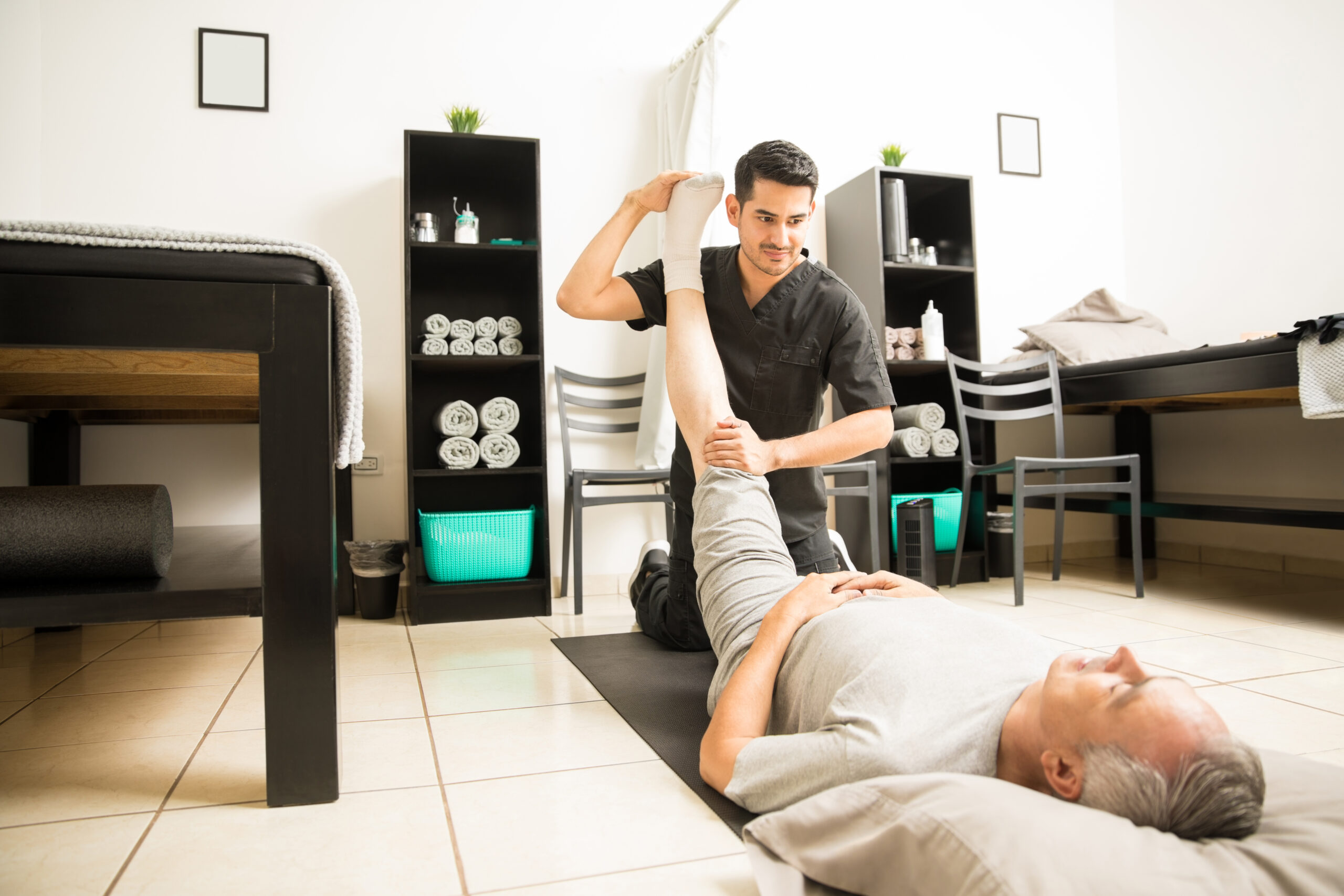
A physiotherapist is a medical professional who evaluates and treats any issues associated with movement and physical function. This job can include treatment of patients recovering from an injury, disease, surgery, disability, or chronic health condition. The physiotherapy treatment can consist of exercise, movement techniques, hands-on treatments, education, and counseling.
Not only can physiotherapy help individuals move better. The therapy is intended to alleviate pain, build strength and mobility, restore physical function, and ensure that an individual can continue to engage in everyday activities.
This medical career field is rather broad and can encompass musculoskeletal therapy, neurological disorders, respiratory problems, sports injuries, or post-surgical treatment.
Where Can Physiotherapists Work?
They can be employed in hospitals, rehabilitation centers, private clinics, community care, sports, or other healthcare settings. Their activities thus can differ greatly according to specialization and career aspirations.
Who Should Consider Physiotherapy?
Physiotherapy can be a good choice for those interested in knowing how the body works and who seek a professional activity that requires working directly with people.
Occupational Therapy Careers: Focus on Independence and Daily Life
Occupational therapy offers a unique perspective for rehabilitation. Instead of being mainly focused on mobility, occupational therapists assist individuals in getting past obstacles that affect their ability to perform daily tasks.
Occupational Therapy: What Is It About?
Occupational therapists assist individuals suffering from illnesses, disabilities, injuries, aging, developmental issues, or mental disorders. The purpose of an occupational therapist is to enable patients to participate in meaningful activities.
This may be achieved by providing alternative ways of doing things, modifying the surroundings, suggesting special equipment, or using certain techniques.
For instance, an occupational therapist may assist an individual to become capable of self-care after an injury, modify a workplace due to a disability, or come up with ways to be independent at home.
Where Do Occupational Therapists Work?
Occupational therapists are found in hospitals, rehabilitation facilities, educational institutions, community centers, mental health facilities, home care, and aged care. As the work of occupational therapists involves helping individuals participate in activities in their daily lives, they can conduct assessments not just of the individual but also the environment in which the activities are carried out.
Who Should Consider Occupational Therapy?
Occupational therapists may appeal to those who like problem-solving and finding customized solutions for patients. Individuals who are interested in human behavior, accessibility, independence, rehabilitation, and the interaction between humans and their environments would find occupational therapy attractive.
Physiotherapy vs. Occupational Therapy: What Is the Difference?
Although physiotherapy and occupational therapy can coincide, especially in rehabilitation practice, their main aims are quite different.
Firstly, physiotherapy deals with movement, mobility, strength, physical functioning, and recovery. The physiotherapist will assist the patient to gain better walking abilities after the injury, to recover movement abilities after surgery, and to develop an exercise-based rehabilitation program.
Secondly, occupational therapy involves activities and participation. The occupational therapist will assist the patient to safely perform dressing, cooking, working, studying, or moving around the house.
These two health care professions can work together, not competing with each other. The patient, recovering after severe injuries, may require physiotherapy to improve physical movement and occupational therapy to regain independence in activities of daily living.
This is essential information to consider while choosing which career among these two to pursue as a healthcare professional. If you are very interested in movement and physical recovery, you may want to consider physiotherapy more closely.
Other Allied Health Careers to Consider
Physiotherapy and occupational therapy are just two careers within the larger allied health profession.
Medical Imaging and Radiography
Radiography is the career choice for those interested in medical technology, anatomy, and imaging diagnosis. Radiography is one of the allied health professions acknowledged by NHS England.
Speech and Language Therapy
Speech and language therapists specialize in the problems associated with communication, speech, language, and swallowing. The scope of their work may encompass assessment and treatment for all ages and conditions.
Medical Laboratory Science
Medical laboratory professionals undertake tests to diagnose and manage diseases. Medical laboratory science is another career choice for those who find working in laboratory settings better than face-to-face interactions with patients.
Dietetics and Nutrition
Dietitians use knowledge of nutrition science to enable people to choose foods and nutrients appropriately. This is a suitable career path for students who are interested in biology, nutrition, and health.
Choosing Between Physiotherapy, Occupational Therapy, and Other Allied Health Careers
The best approach when choosing your allied health field is to begin with the tasks that you want to perform on a daily basis.
Physiotherapy will suit you the most if you have a keen interest in movement, exercise, anatomy, and physical rehabilitation.
Occupational therapy might suit you the most if you are interested in independence, activities of daily living, accessibility, and problem-solving on an individual level.
If you are interested in diagnostic equipment and imaging, you should look at radiography. You should look at speech and language therapy if you are interested in communication and rehabilitation. Medical laboratory science will appeal to students who like laboratory science. Dietetics will suit students who have a passion for nutrition and health.
When choosing your allied health field, you should look past the job title. You should read the course modules, assess the clinical experience, and analyze the typical work environment.
What Do You Need to Know Before Starting Your Study in Allied Health?
An allied health degree is more than just a piece of paper obtained during classroom studies. Patient-oriented careers often have practical training requirements, which can vary according to the country where you plan to work.
Students who want to have an international career should verify whether the program they are considering has all necessary accreditations or recognition and whether graduates need professional registration or licensing in order to be able to practice legally.
It could also be useful for students to consider how much clinical training there is within each program. Having practical experience will allow students to learn more about the career before starting it full time.
That aspect becomes especially significant when choosing allied health degrees between different countries, as some qualifications may not guarantee professional registration in another country.
Conclusion: Choose the Allied Health Career That Will Satisfy Your Passions
Investigating allied health careers will introduce students to various pathways within the healthcare field. Physiotherapy and occupational therapy are just two of the professions which have a very interesting relationship in terms of similarities in what they do and their different objectives.
While physiotherapy involves treatment of problems associated with physical movement, mobility, and rehabilitation, occupational therapy concentrates on improving the ability to participate in all kinds of activities and increase independence. There are other healthcare professionals involved in various processes of treatment, such as radiographers, speech and language therapists, medical laboratory scientists, dietitians, etc.
It will be a matter of personal preference to decide which profession is best for you, based on your interests, preferences and passions. Take into account the patients you wish to treat, the tasks you like, your preferred working environment, and the skills you want to use.
An allied health career is not a single profession but rather a set of different professions.
Contact Us
Contact us for a free consultation for student or visitor visas. Our immigration experts are ready to assist you.