Introduction
Fueled by rising online risks, interest in fintech careers grows worldwide. With banks going fully digital, businesses everywhere from Lisbon to Tallinn need sharp minds trained in security tech. Study paths matter more now; learners weigh options carefully. Places that mix solid teaching with internships tend to draw bigger crowds lately. Careers once seen as niche are now open doors across continents.
Lithuania stands out now more than ever. In recent years, this small nation has quietly built a name across Europe – especially where technology meets finance and digital safety. Strong schools spark fresh ideas, while rules support new businesses instead of slowing them down. Lower costs compared to other countries make learning there practical. Students focused on tech fields notice these things fast. That explains the growing wave heading west toward its classrooms.
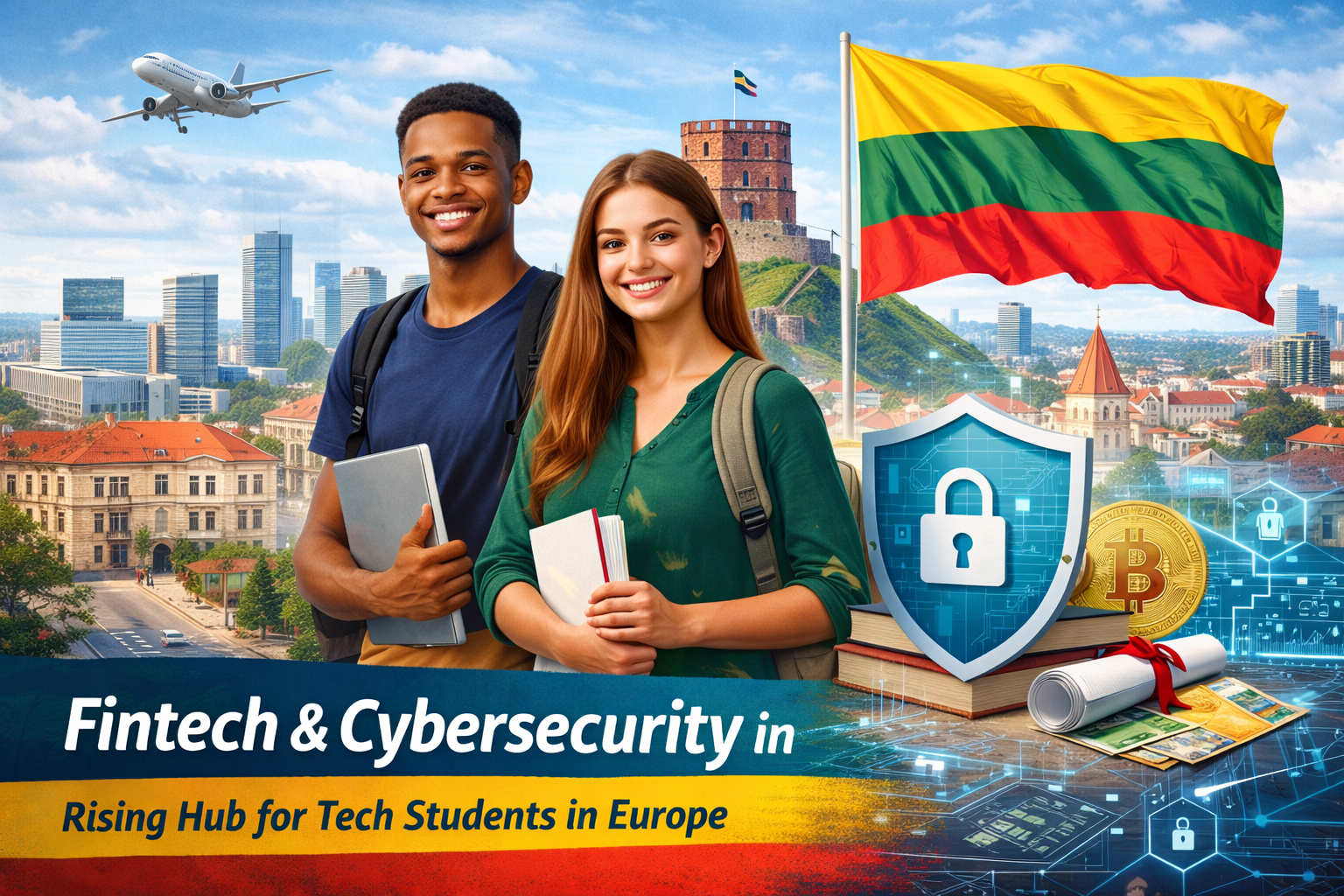
Lithuania Emerges as Key Player in Europe’s Technology Landscape
Lithuania stands out across the EU by embracing digital progress with clear intent. Backed by strong public support, tech networks have grown alongside modern startup hubs. Because of these moves, its technology scene now pulses with energy unmatched in much of Central and Eastern Europe.
Vilnius, the nation’s capital, is now seen as a rising hub for fintech and innovation. Fast approval steps plus clear rules draw global firms working in digital money tools. Tech matters deeply here, shaping choices of learners drawn to cyber safety and financial systems.
Fintech Grows in Lithuania
The fast growth of Lithuania’s fintech industry comes from smart regulations and close collaboration between officials and companies. It is now one of Europe’s top hubs for fintech, filled with many licensed startups. Hundreds of these companies call the country home, building a live network for those diving into the field. Students who study fintech find real tasks waiting, shaped by the active scene around them.
Opportunities appear fast, tied closely to how the market moves each day. Learning happens on the ground, not just in classrooms, thanks to open channels across sectors. New talent steps straight into roles that matter, linked to actual business needs. The system feeds curiosity with real cases, reducing delays between theory and doing. Progress shows clearly when graduates land jobs without long waits. This rhythm keeps education sharp, pulled forward by what happens outside lecture halls.
Right now, opportunities are opening up fast for those studying tech. After school, people head into jobs like online banking, building blockchain tools, handling payments, analyzing money-related data, or working on software that meets legal rules. Some new finance-focused companies partner directly with colleges, creating internship chances along with real-world assignments. Getting involved early means learning how things really work, long before getting a diploma.
Cybersecurity Grows with National Attention
Facing growing online threats, Lithuania now treats cybersecurity as essential to national safety. With steady funding flowing into cyber defenses, efforts spread across labs where university teams work alongside private tech firms. Sitting at a key spot within the European Union adds weight to its digital protection goals. Building strong networks against attacks shapes much of its current policy direction.
One step into a cybersecurity degree in Lithuania opens doors to learning how networks stay safe, where ethical hacking fits in, along with guarding data and weighing risks. As digital dangers spread worldwide, more companies look for experts who understand online safety. After finishing their studies, people often become analysts focused on threats, take charge of securing company information, test systems by trying to break in, or guide firms through technology risks. A lively tech scene across the country helps support jobs like these.
Universities With Fintech And Cybersecurity Courses
Starting in Vilnius or heading to Kaunas, students find degree options taught fully in English, fields include fintech along with cyber defense systems. Classrooms come equipped with up-to-date tools because hands-on learning matters just as much as theory inside lecture halls. Lab spaces double as testing zones where new software ideas get tried out by learners. Innovation hubs pop up near campuses, built to connect student projects with real-world tech demands.
Learning here mixes ideas with hands-on work. Real-life cases pop up regularly, alongside investigations and teamwork with businesses. Ties between campus and sector lift Lithuania’s profile in fintech and cyber education.
Industry Links and Work Experience Chances
A big draw for tech students heading to Lithuania? How tightly schools work with tech businesses. Some colleges team up with fintech new ventures, global IT players, and even large corporations – giving learners real-world practice through placements.
Lithuania feels alive with energy when you’re a student chasing big ideas in tech. Meetups pop up often, especially in Vilnius, where new contests and gatherings pull people together. Talks spark conversations between learners and those already shaping the field. Chance meetings at these events sometimes lead straight into jobs. New companies grow fast here, fueling a culture that values bold thinking. Trying something different doesn’t just happen; it’s expected. Ambition finds room to stretch its legs.
Affordable Education and Living Costs
Lithuania charges less than most of Western Europe when it comes to studying fintech or cybersecurity. Yearly costs sit between 2,000 and 6,000 euros, shaped by institution and course type. Because of this pricing, global learners often land here for solid training in technology fields.
Money does not stretch too far each month here. Most learners pay around 500 to 900 euros for rent, meals, plus getting around town. When living in shared housing or using special learner pricing, bills shrink even more. Because things cost less yet still work well, those into tech often choose Lithuania without second thoughts.
Jobs While Studying and Later
While studying in Lithuania, international students can take on part-time jobs. These roles often help ease daily costs while building hands-on skills at firms focused on digital finance and online security.
Once school ends, grads may seek permits to remain and look for work. Since Lithuania belongs to the EU, it can explore jobs across Europe too. Those aiming for roles in fintech or cybersecurity find this freedom especially useful. Reaching beyond borders opens more paths than expected.
A Safe and Modern Tech Environment
Folks studying abroad care about staying safe and feeling at ease. Lithuania lines up well here. It ranks among Europe’s more secure spots, backed by updated facilities and steady public systems. In classrooms and coding circles, English pops up often, smoothing the shift for those arriving from elsewhere. Getting settled becomes less bumpy when language barriers shrink.
Fresh ideas pop up at every campus corner, where old-world streets meet coding workshops. A different kind of energy moves through festivals and startup labs, because history talks in the same breath as high-speed internet. Life here feels steady yet sparks curiosity, since cobblestones lead straight into smart city plans. Learning takes shape slowly, between museum visits, late-night debates, given how tradition blends quietly with new tools.
Lithuania is Different From Other European Tech Hubs
Though places such as Germany and the Netherlands often stand out for technology learning, Lithuania brings something different: low expenses, fresh thinking, alongside rising work in financial tech and online safety. Degrees earned there hold value across Europe, connections with companies run deep, and prices for classes stay under what most popular spots charge.
Starting fresh somewhere fast-moving has its perks for learners in Lithuania. Growing at the same pace as new digital advances happens naturally here. A scene still taking shape leaves room to step in without fighting crowds. Tech progress unfolding locally shapes real-time learning chances. Room to stretch exists where industries are just finding their rhythm.
Conclusion
Fueled by rapid change, fintech, along with digital security, now steers how tech plus money move worldwide. With more jobs calling out for trained experts, learners scout places to study where lessons hit hard, company’s open doors, and futures grow brighter.
A fresh wave of learners turns toward Lithuania, drawn by more than just low costs. Not only do coding classrooms thrive here, but startups bloom faster each season. Because digital threats grow daily, training shields against them matters deeply. This country knows that well. While some nations hesitate, Vilnius pushes ahead with real-world labs and opens doors for newcomers. Few spots blend hands-on finance tech work with safety skills so naturally. When tomorrow’s builders pick where to plant roots, many now point east to Baltic sidewalks buzzing with quiet momentum.
Contact Us
Contact us for a free consultation for student or visitor visas. Our immigration experts are ready to assist you.